
Zao Wou-Ki - 趙無極
<p><strong>Zao Wou-Ki<br /><br /></strong>Zhao Wou-Ki was born in Peking (now Beijing) in 1920. It was later in 1947 that he would adopt the name family name Zao.<br /><br />Zao expressed an early interest in art and started drawing at the age of 10. His father, a banker, encouraged Zao’s artistic pursuits and sent him to the National School of Arts in Hangchow where he trained under renowned painter Lin Fengmian. In 1941, Zao began teaching at the school and in the same year, held his first solo exhibition, in Chongqing, at the age of 21. At the time, his paintings remained largely figurative. Several years later, in 1947, Zao relocated to Paris, associating with the École de Paris and befriended artists including Joan Miró and Alberto Giacometti. His fluency in French allowed Zao to quickly adapt to Parisian life and be accepted in the artistic circle. In Paris, Zao rose to prominence for his gestural, abstract paintings.<br /><br />During this time, Zao began to paint more boldly and with more color saturation. A trip to New York in 1957 opened up new opportunities and new perspectives. Thereafter Zao travelled frequently between Paris and New York, where he met many of the American Abstract Expressionists including Franz Kline and Barnett Newman. By 1959, Zao stopped naming his paintings, instead he would title them with the date of completion thus avoiding ascribing visual associations through its title.<br /><br />Zao’s works in the 1960s exerted even more vibrancy and energy than his earlier paintings. Paintings of this period displayed a visual drama that seemingly emerged from his strong lines and gestures. By the 1970s however, Zao’s paintings shifted yet again and became more ambient, holding a dreamlike quality. These paintings focused less on the distinction of gesture, colour and background of previous years.<br /><br />Throughout the key decades of his career, Zao’s philosophies applied to his teaching and artistic practice drew affinities between Western art and classical Chinese painting methods. While painting was his primary medium, Zao also worked with printmaking, producing etchings and lithographs. He also illustrated and worked in theatre stage productions. Meanwhile, watercolour remained an important part of Zao’s artistic oeuvre throughout his career. The spontaneity and translucency typical of watercolors exemplify much of the moods that characterized Zao’s works.</p>
<p>Zao’s works have been exhibited extensively internationally and are held in private and public collections worldwide. He passed away in 2013, in Switzerland at the age of 93. To this day, his paintings and works on paper are still widely sought after.</p>
Selected Works
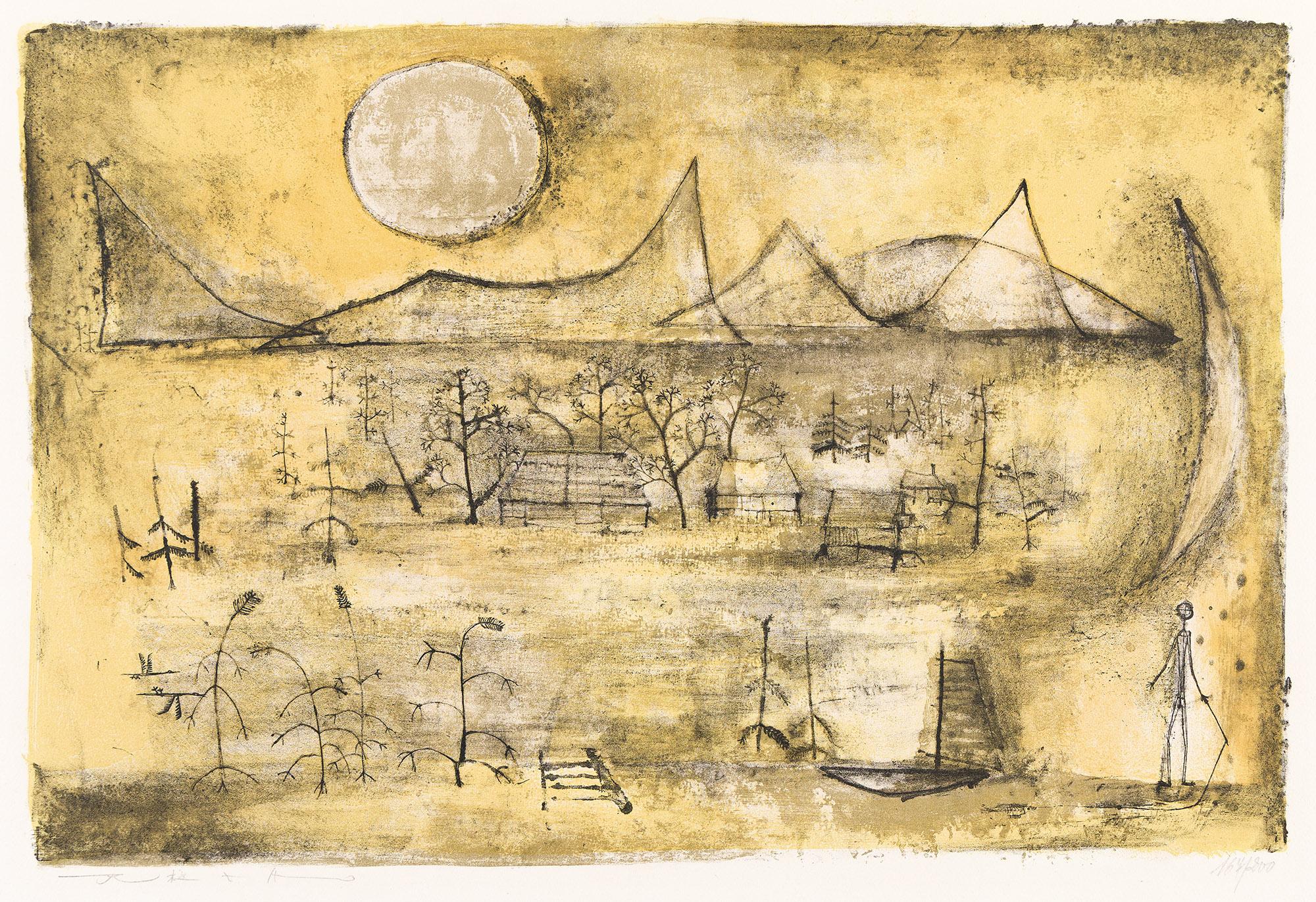
059 - Montagnes et soleil (Mountains and sun)
Lithograph on paper
1951
Sold
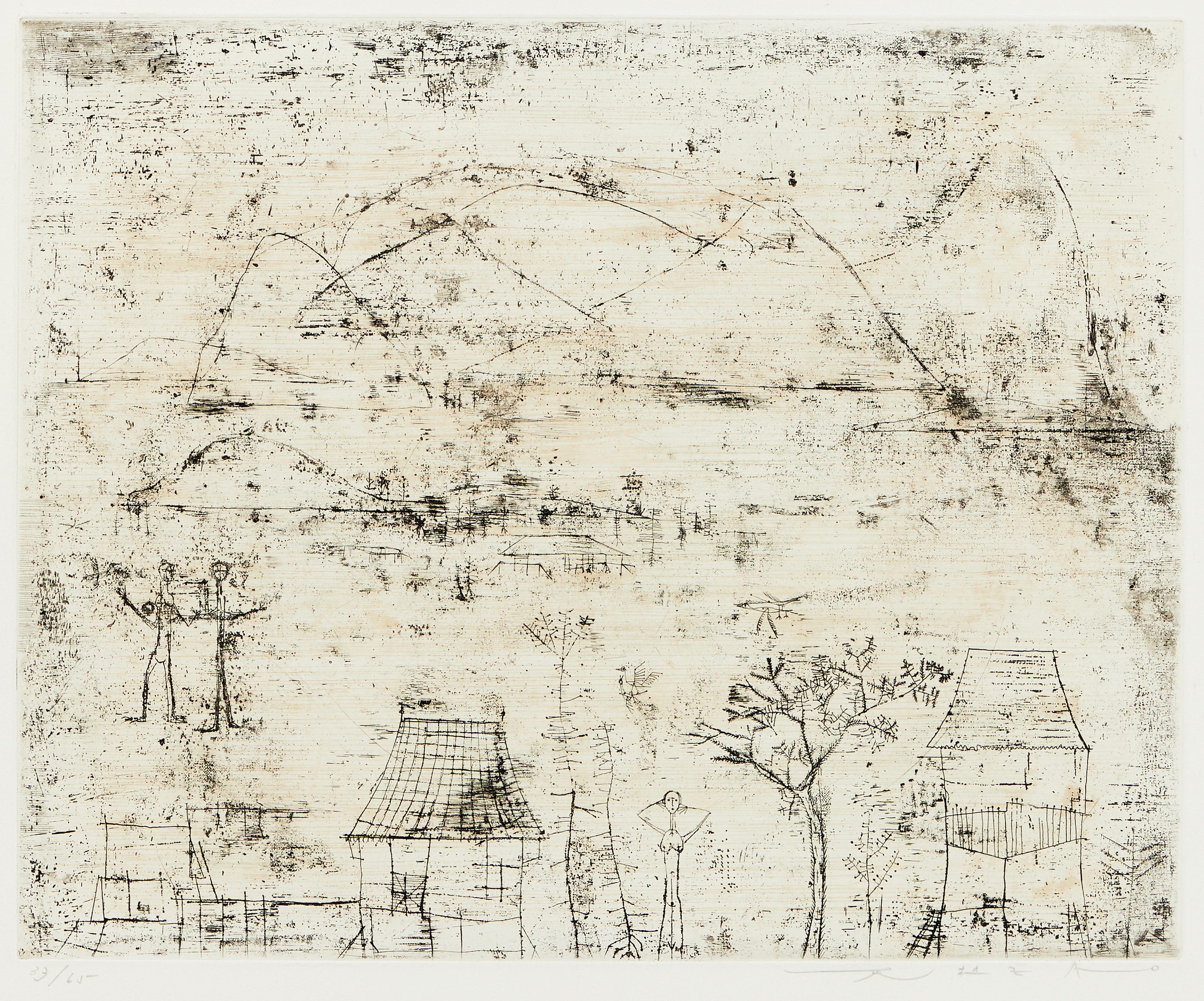
068 - Les maisonnettes (The small houses)
Etching on paper
1951
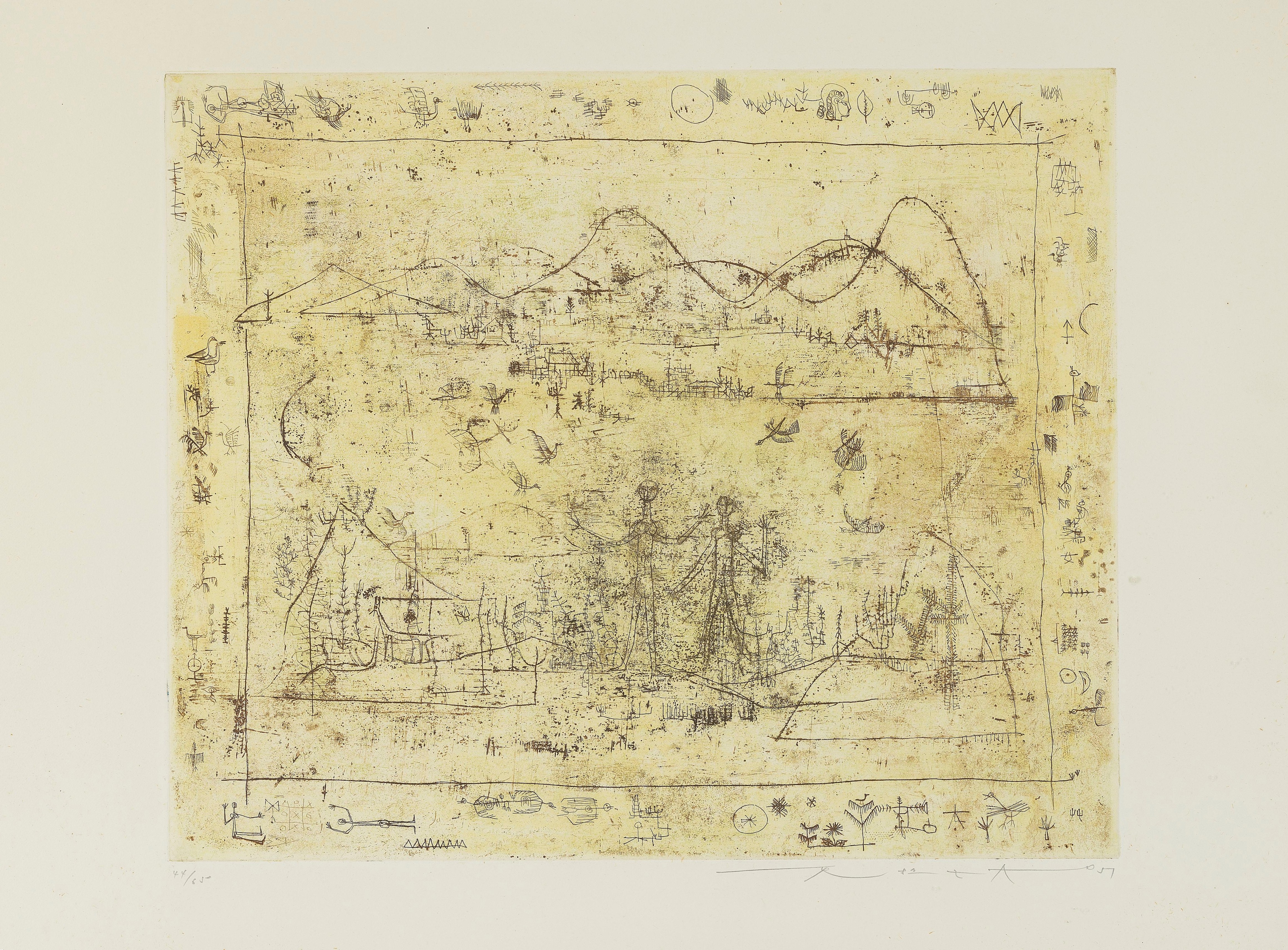
069 - Paysage avec encadrement (Framed Landscape)
Etching on canvas
1951
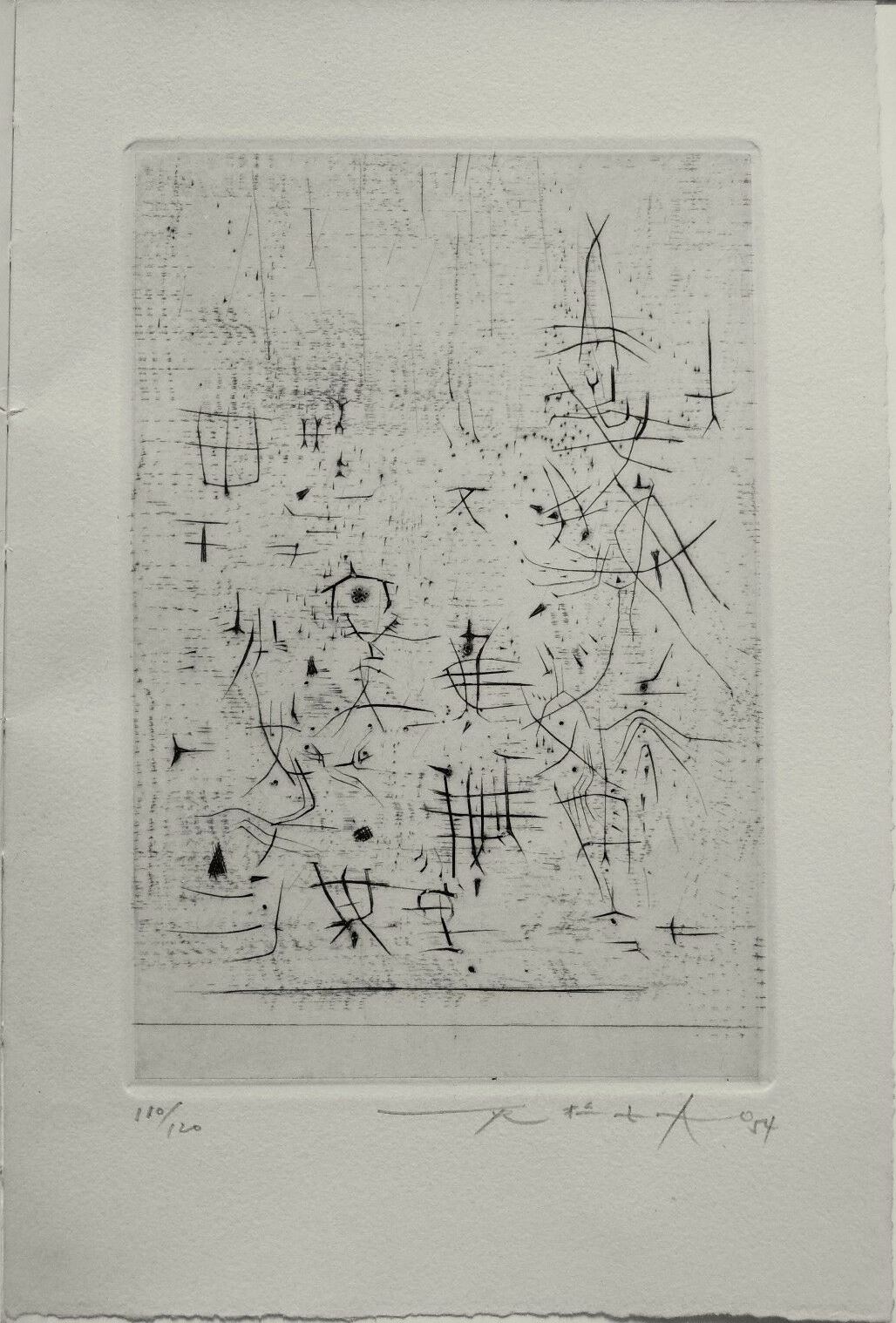
092 - Untitled
Etching on paper
1954
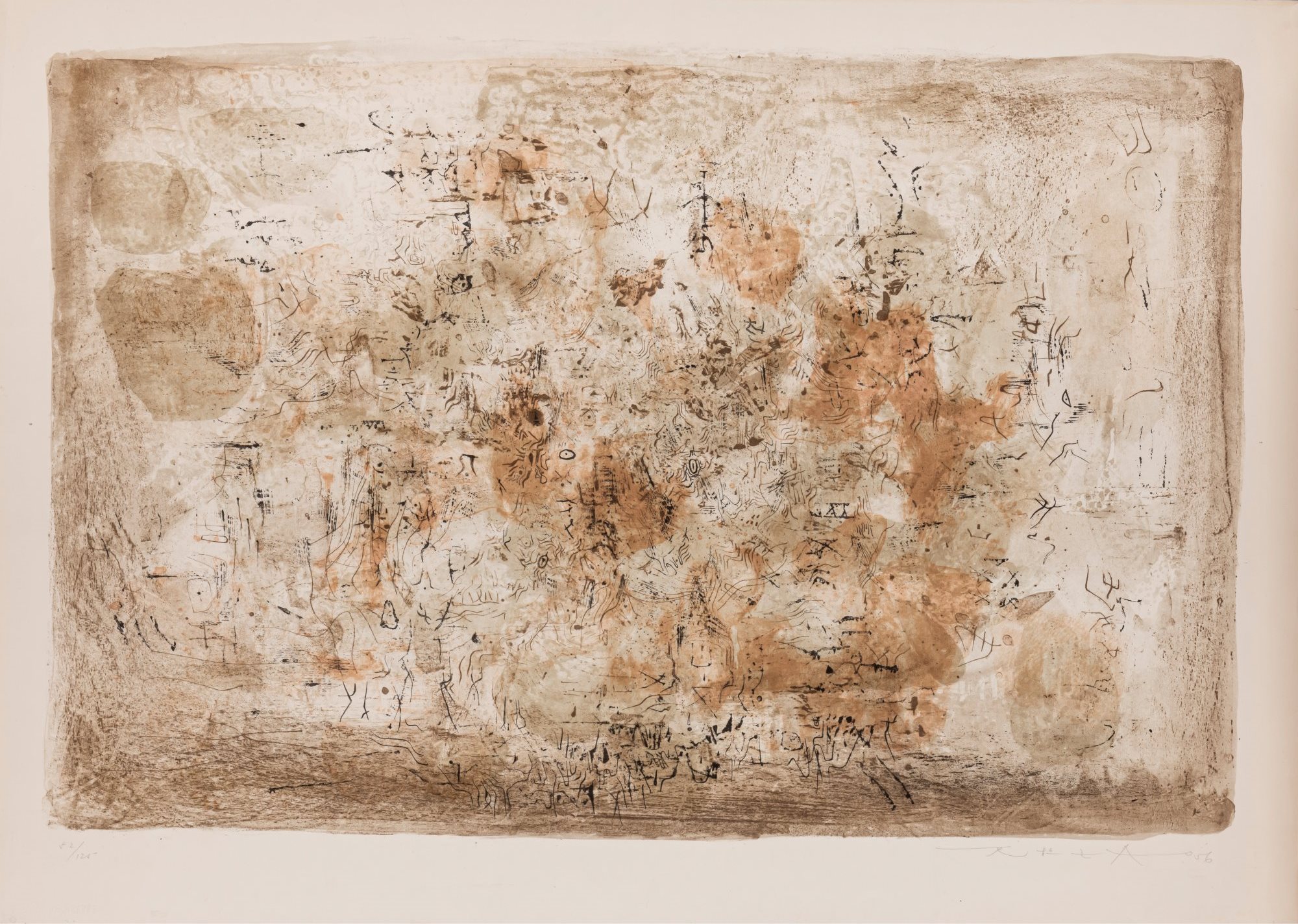
Sold
098 - L'aurore
Lithograph on paper
1956
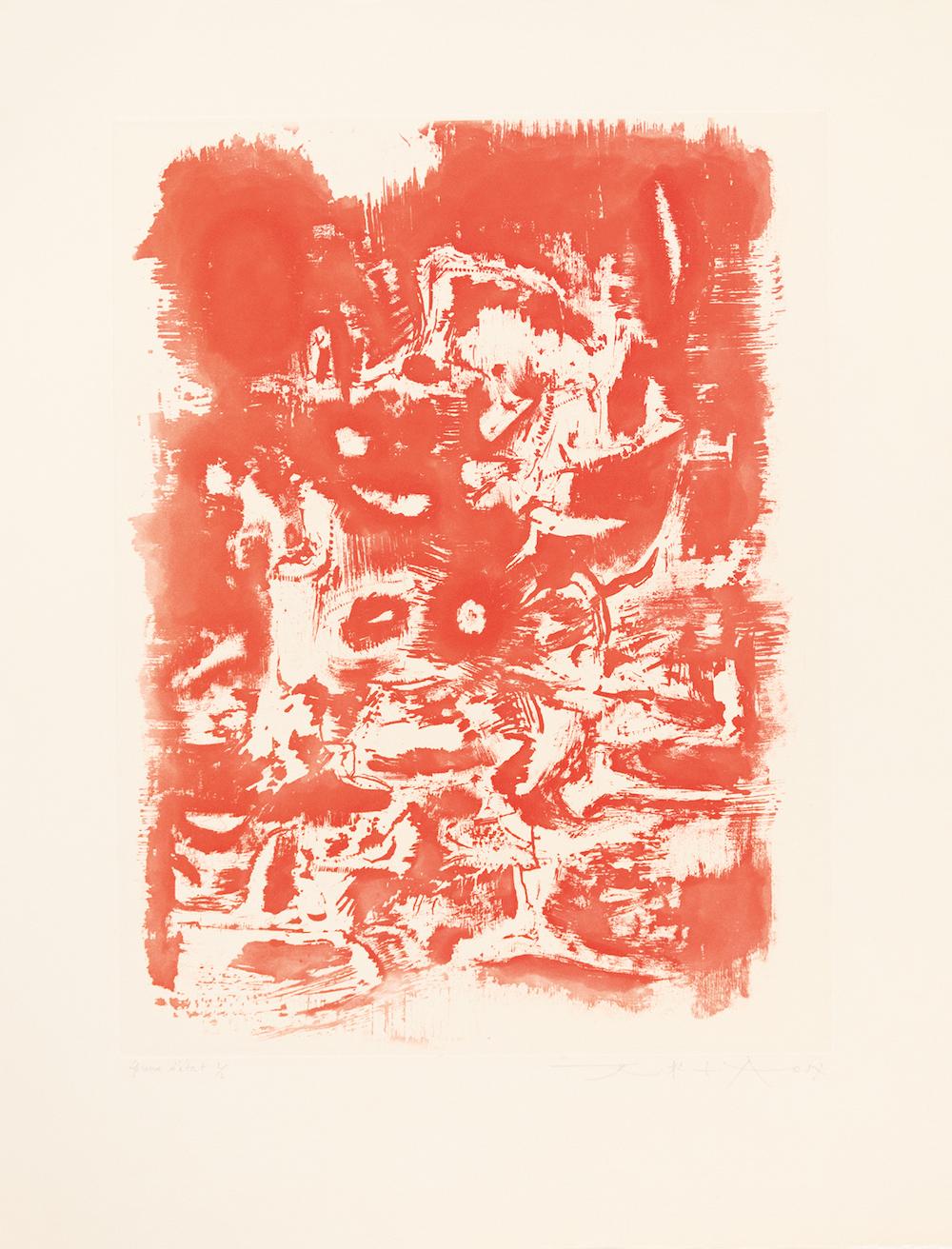
Sold
104 - Untitled
Etching on paper
1957
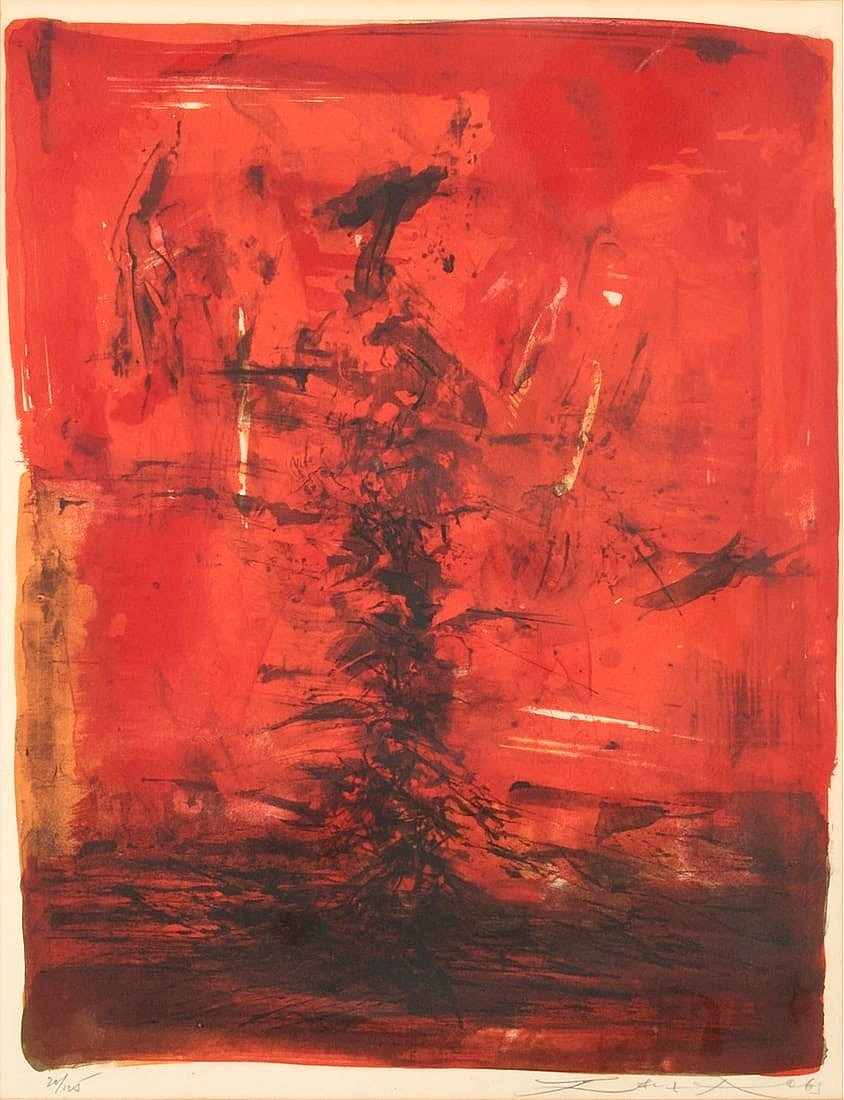
Sold
150 - Untitled
Lithography on paper
1965
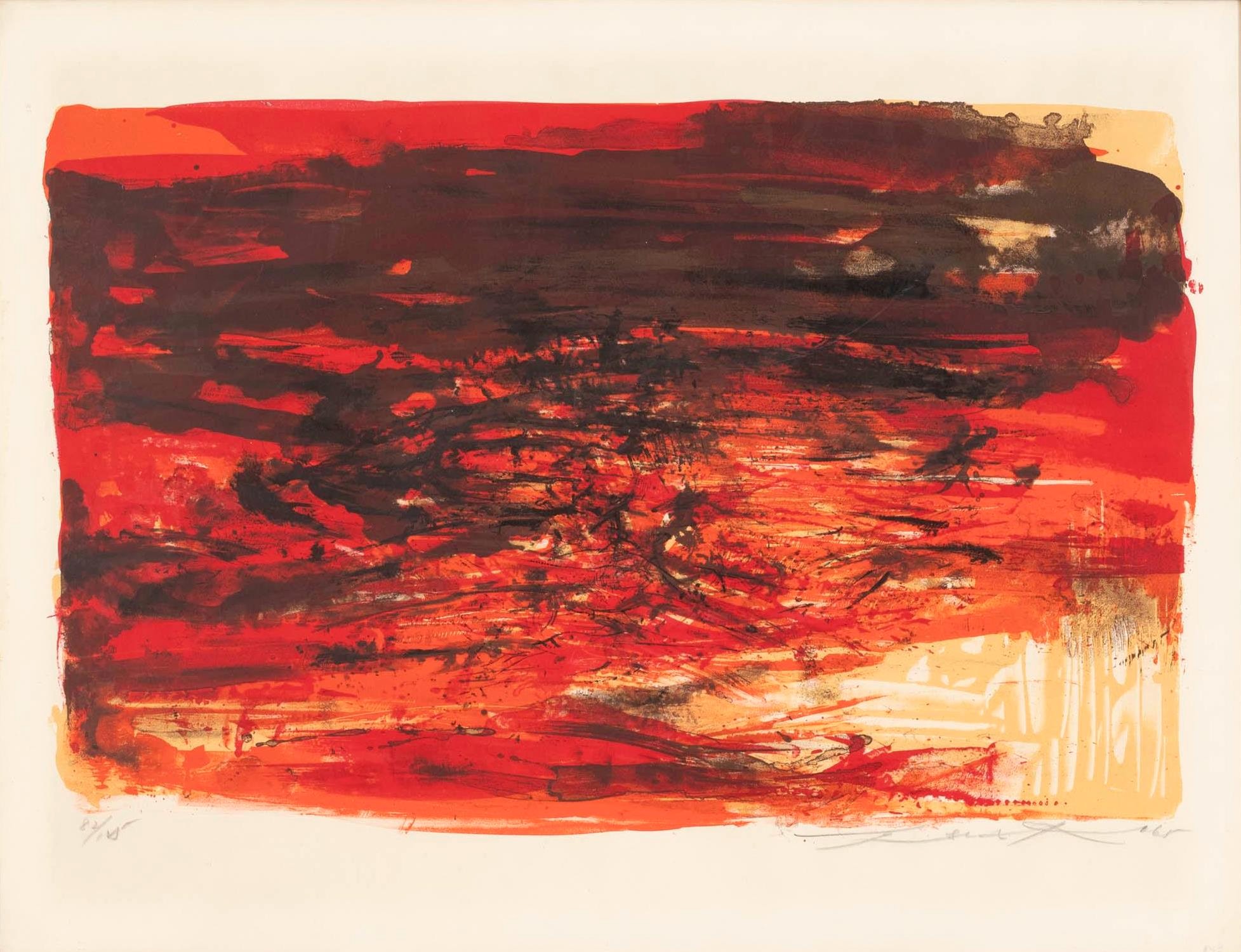
Sold
157 - Untitled
Lithograph on paper
1965
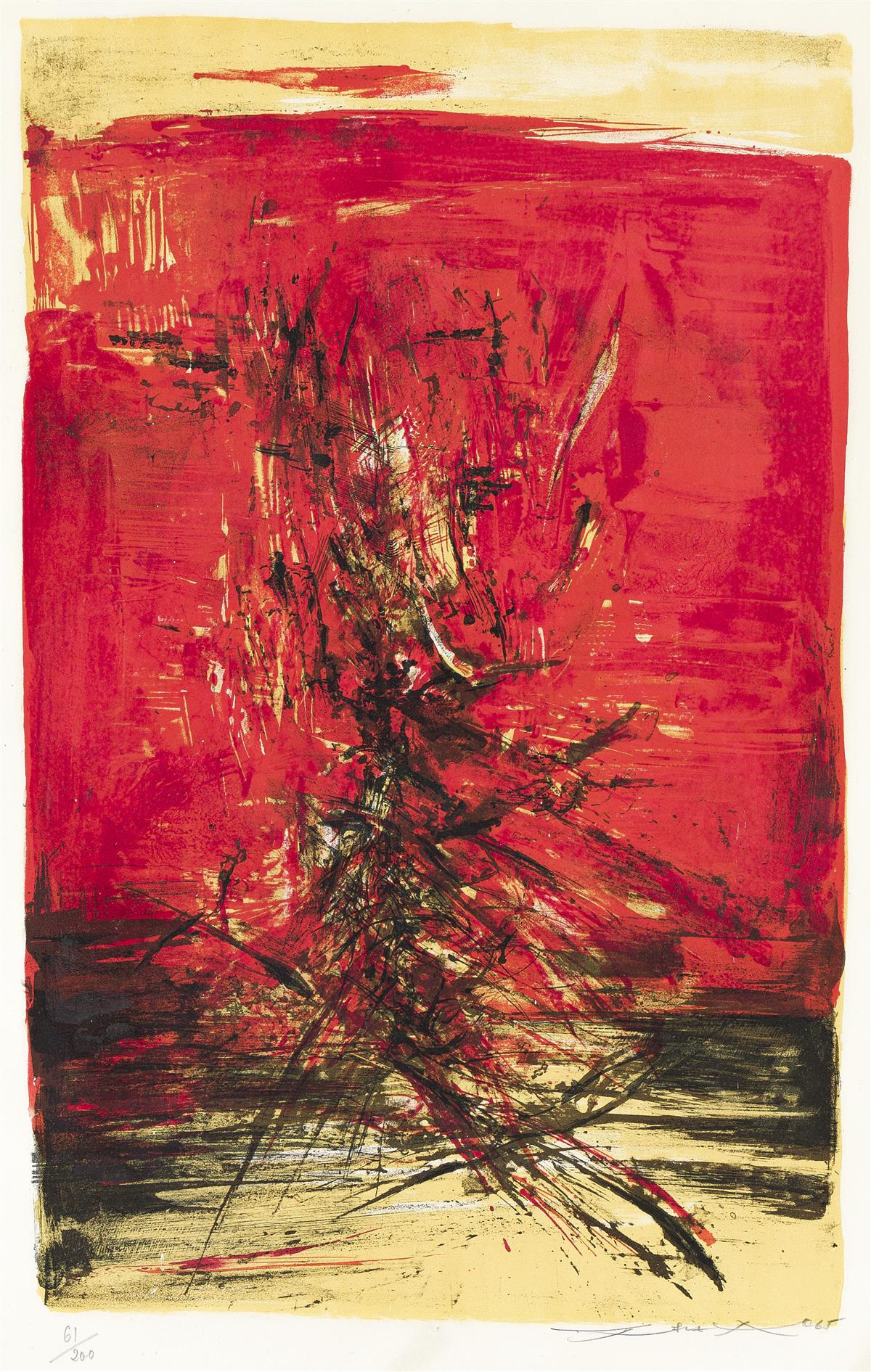
Sold
159 - Untitled
Lithograph on paper
1965
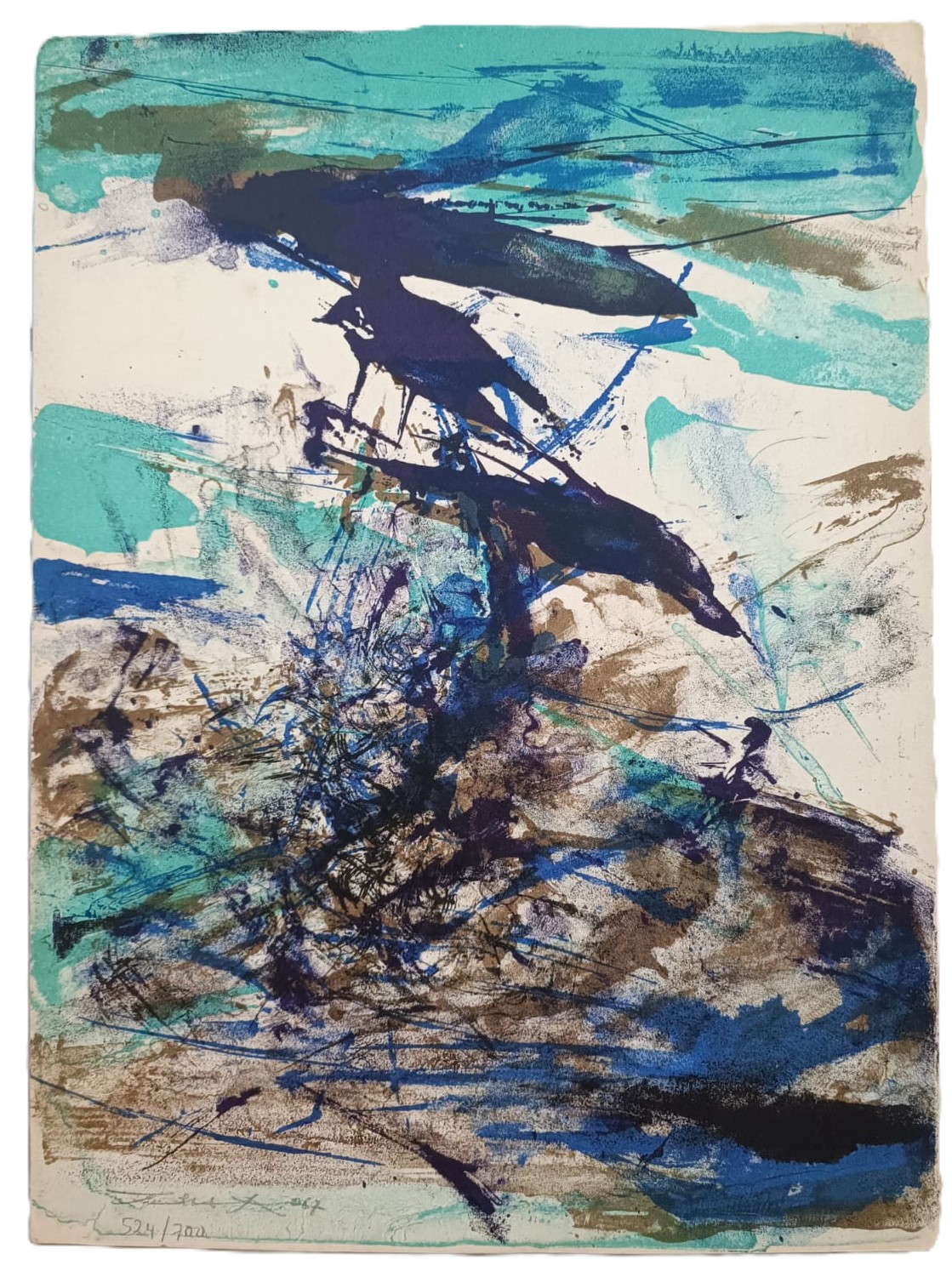
Sold
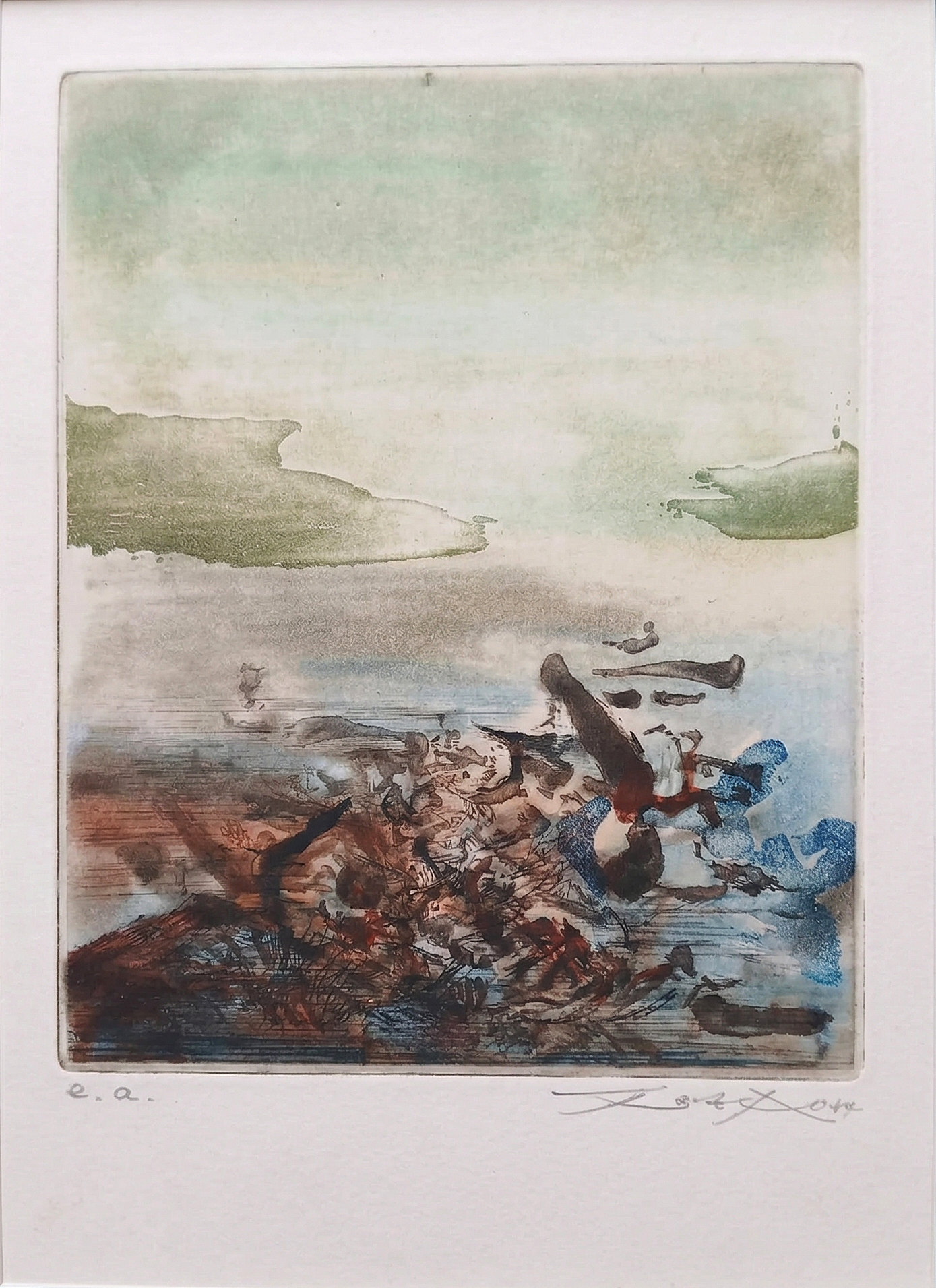
166 - Untitled
Lithograph on paper
1967
Sold
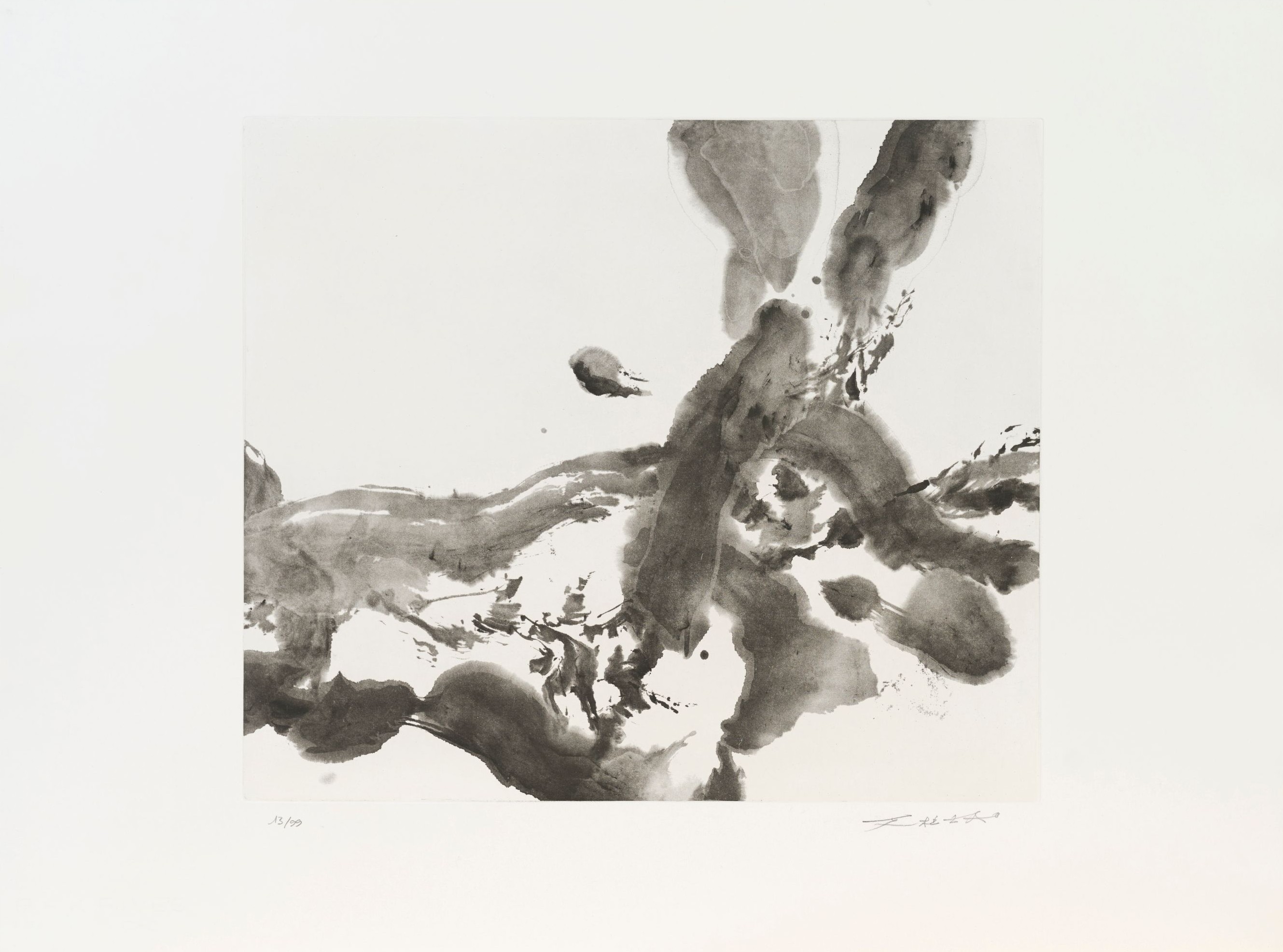
2007 - Untitled
Etching and aquatint on paper
2007
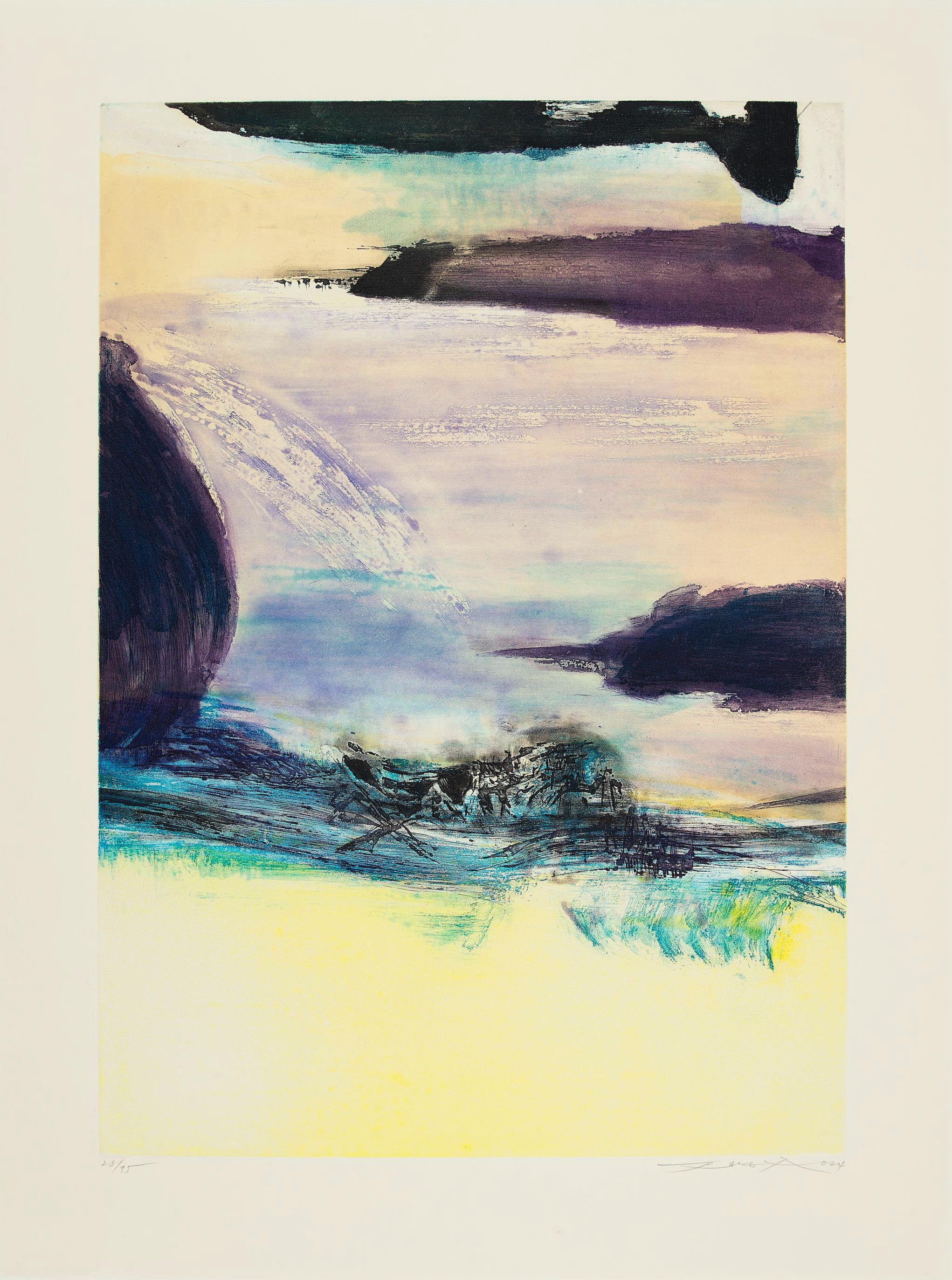
246A - Untitled
Etching and aquatint on paper
1974
Sold
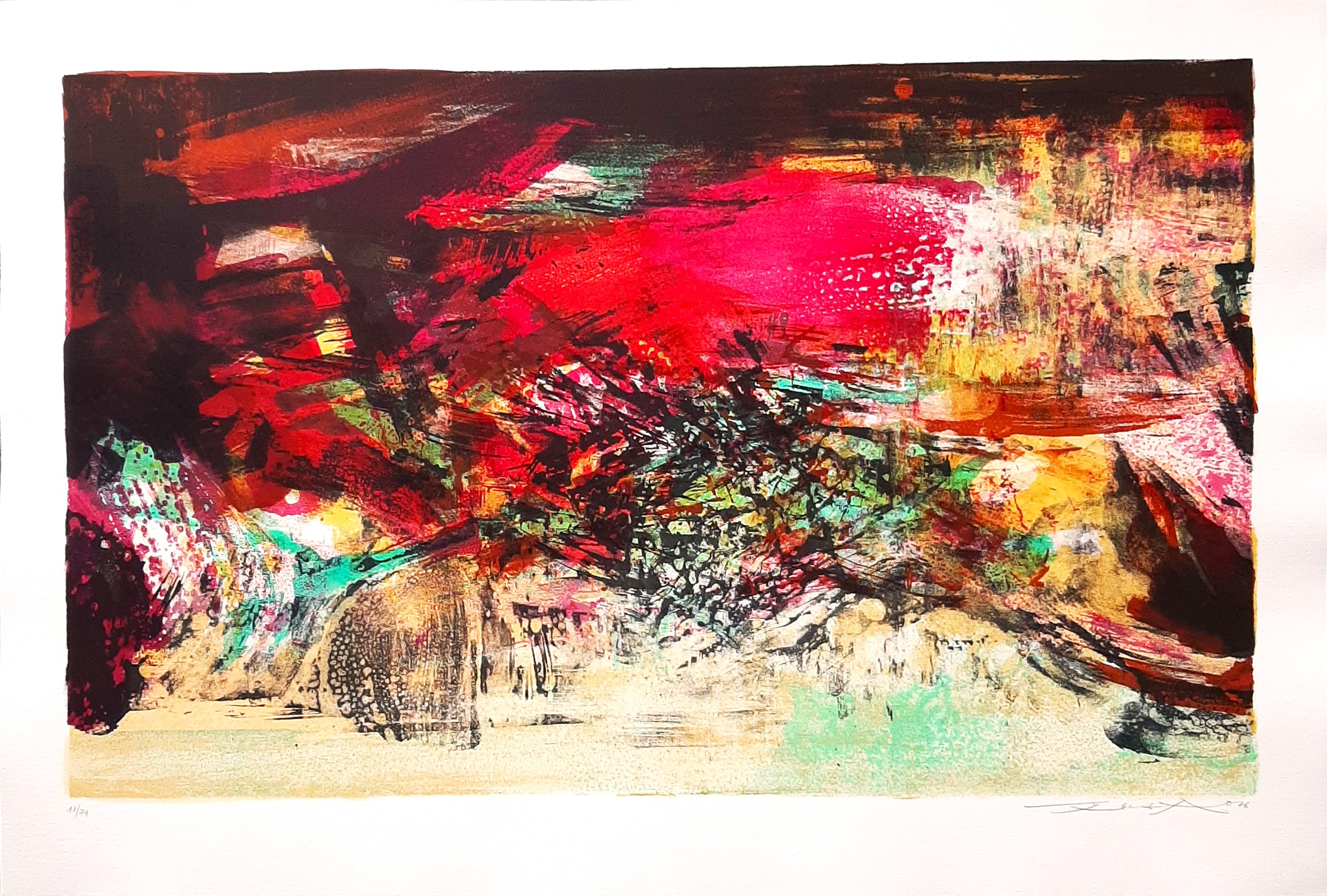
254 - Untitled
Etching on paper
1974
Sold
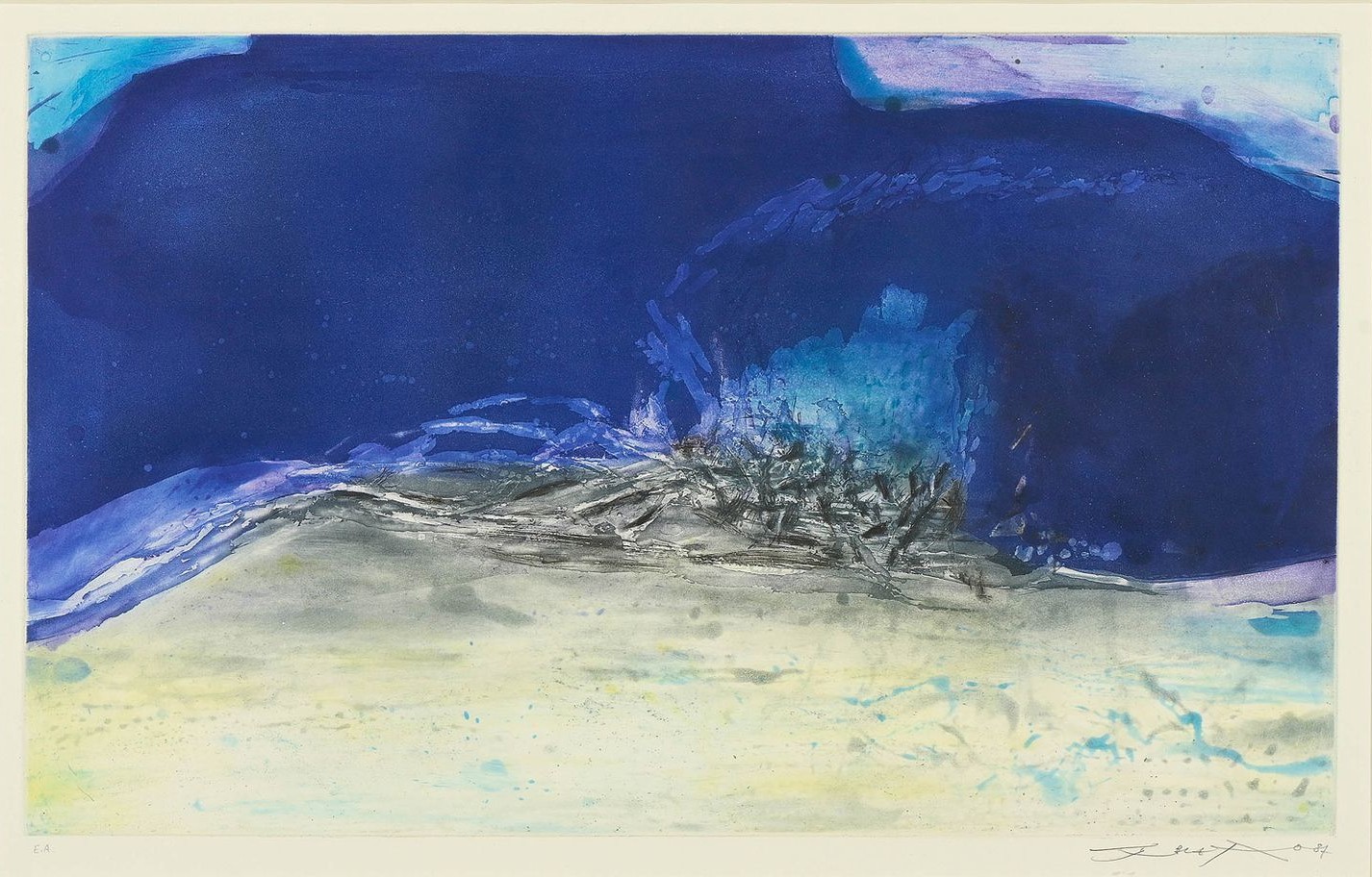
276 - À la Gloire de l'image et Art and poétique
Lithograph on paper
1976
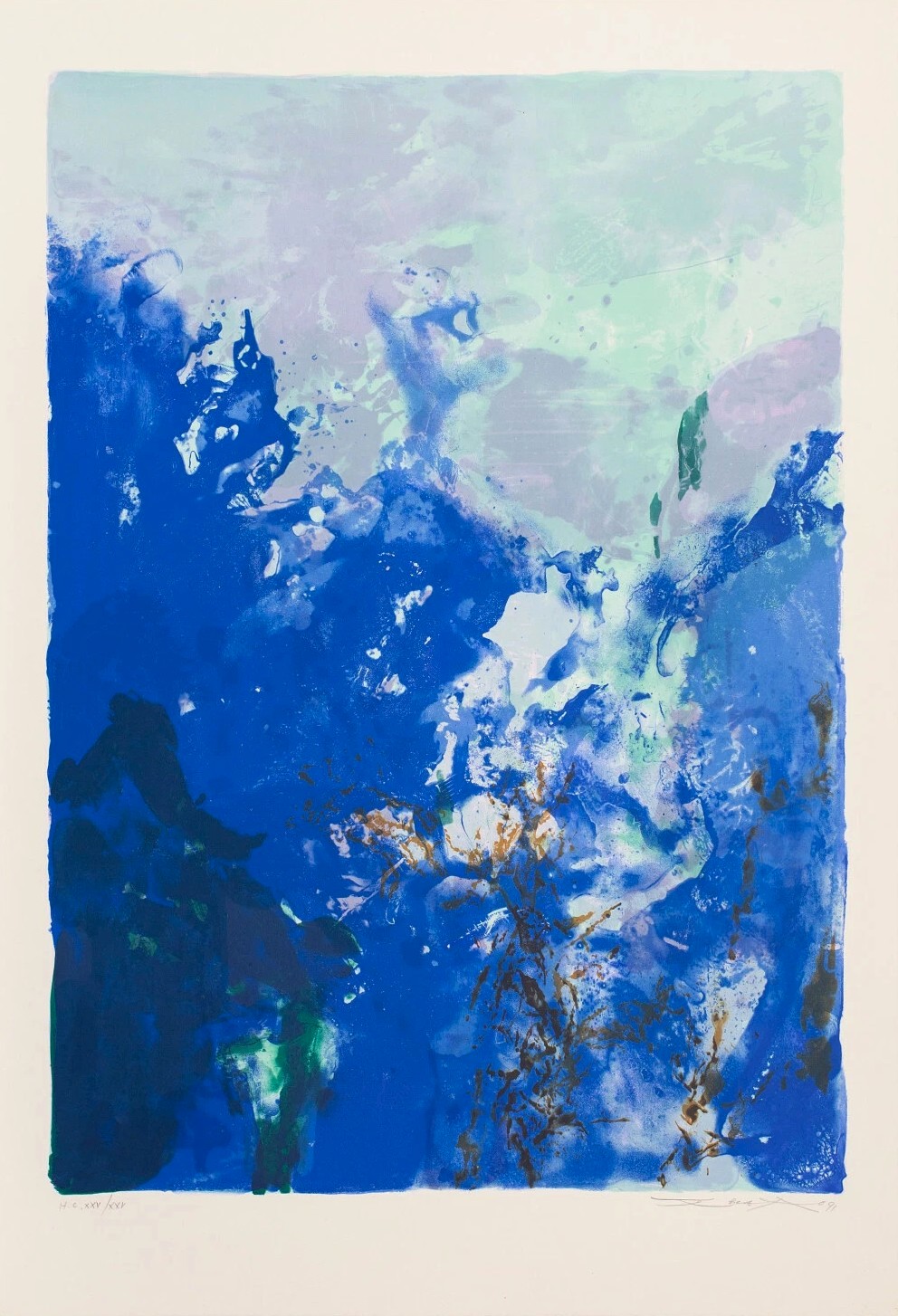
334 - Untitled
Etching on paper
1987
Sold
358 - Suite Olympique Centennal
Lithograph on paper
1992
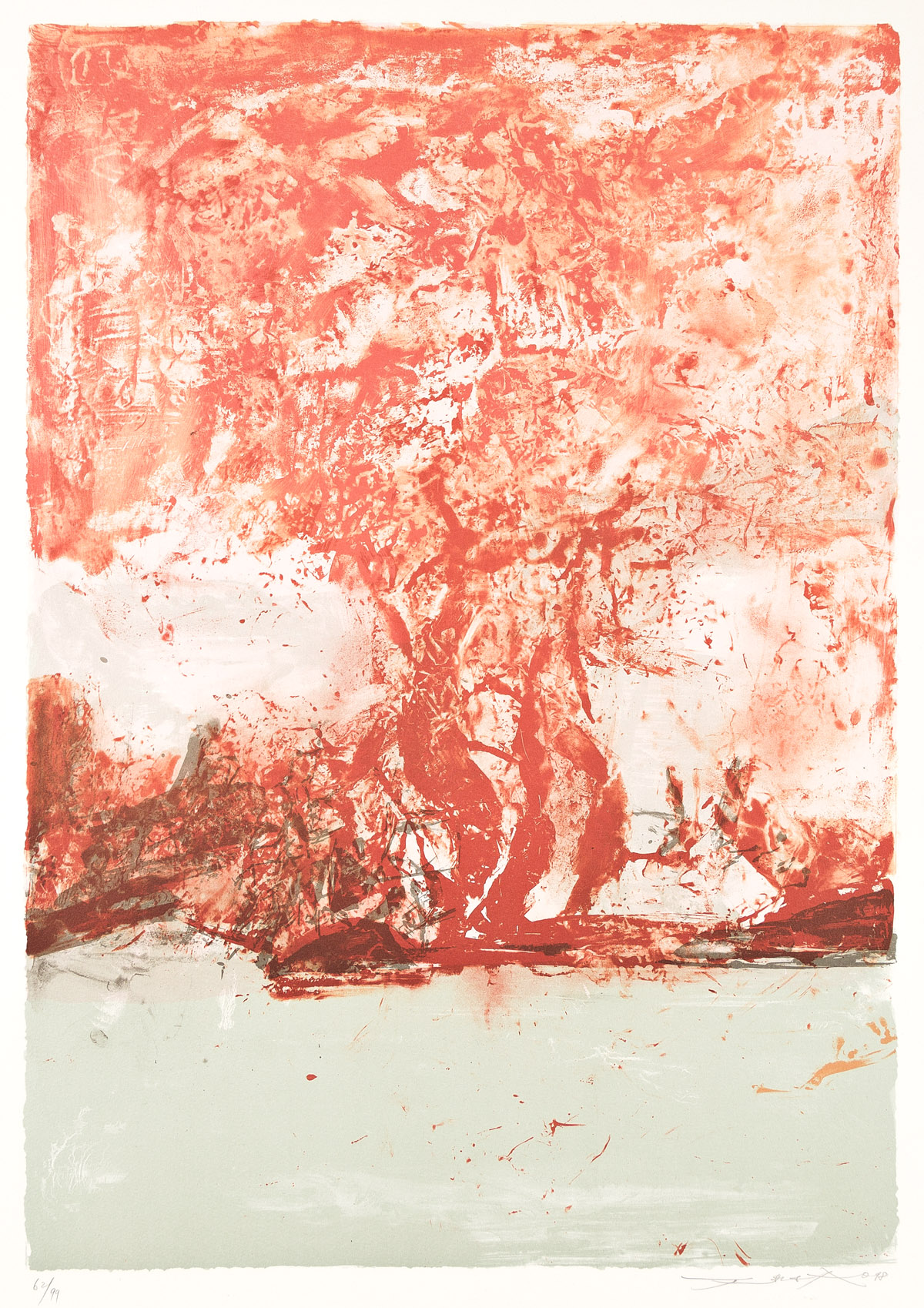
Sold
391 - Untitled
Lithograph on paper
1998
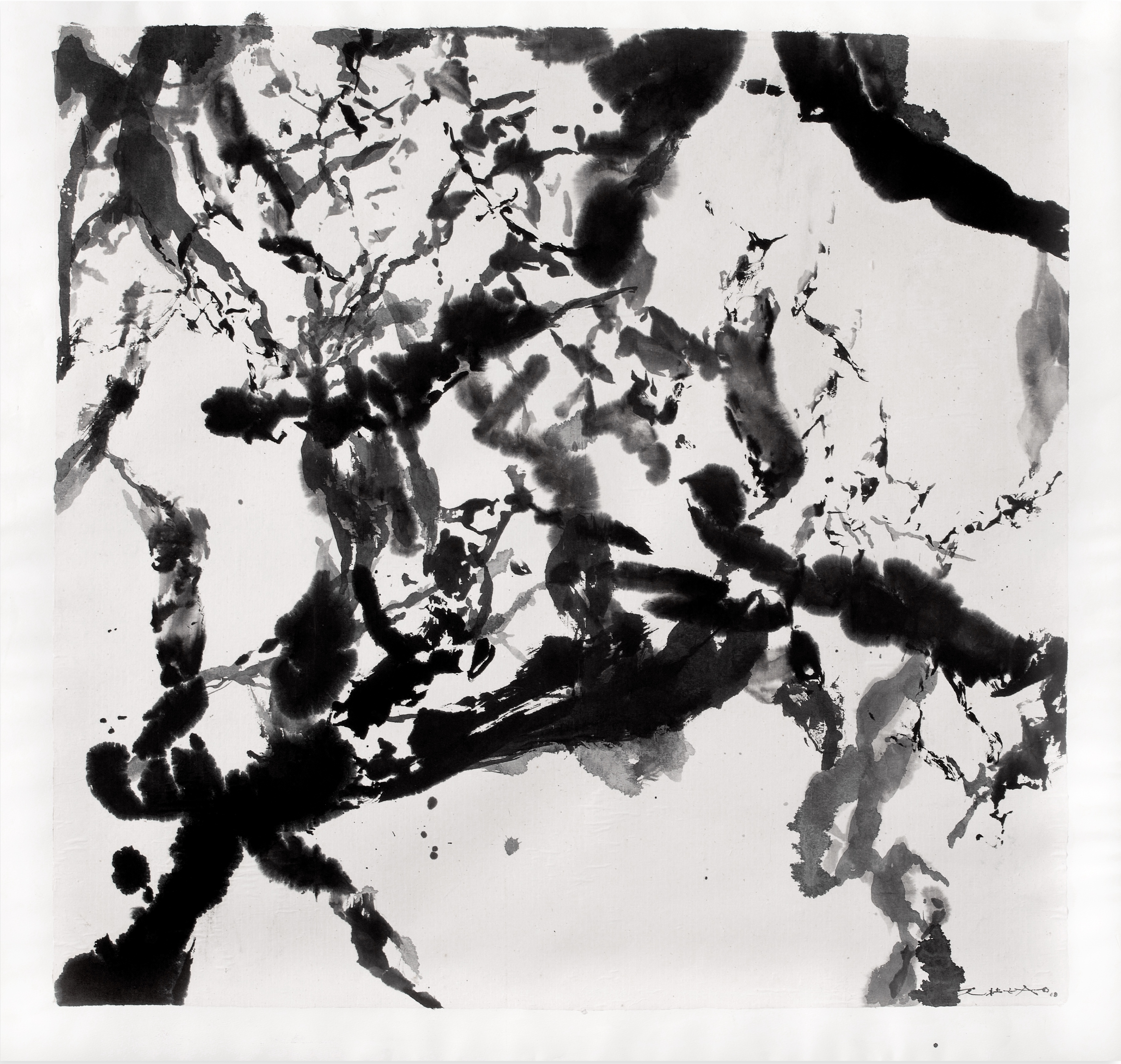
Sold
Untitled
Ink on rice paper
2000
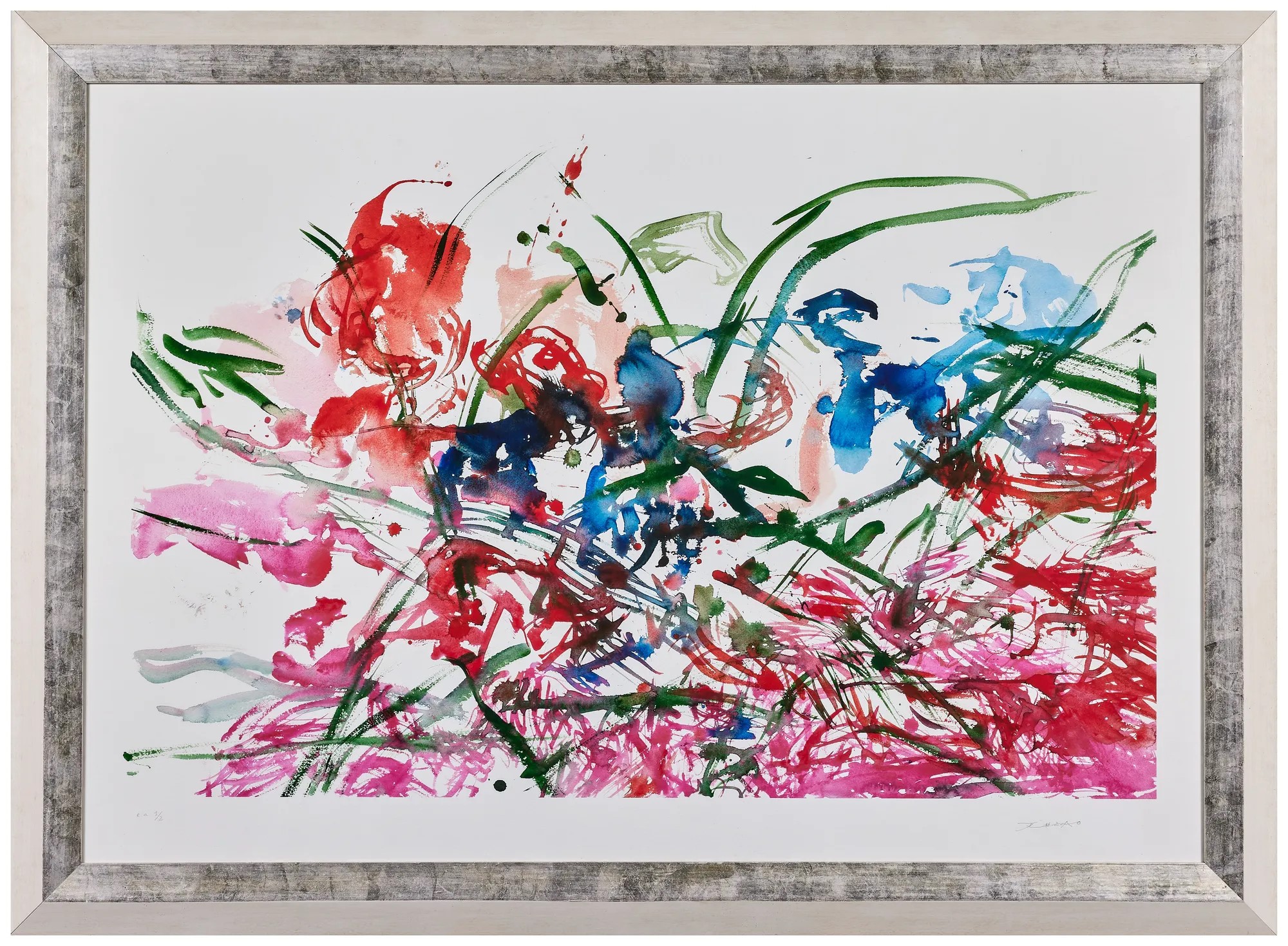
Sold
Untitled
Pigment print on paper
2007
Sold
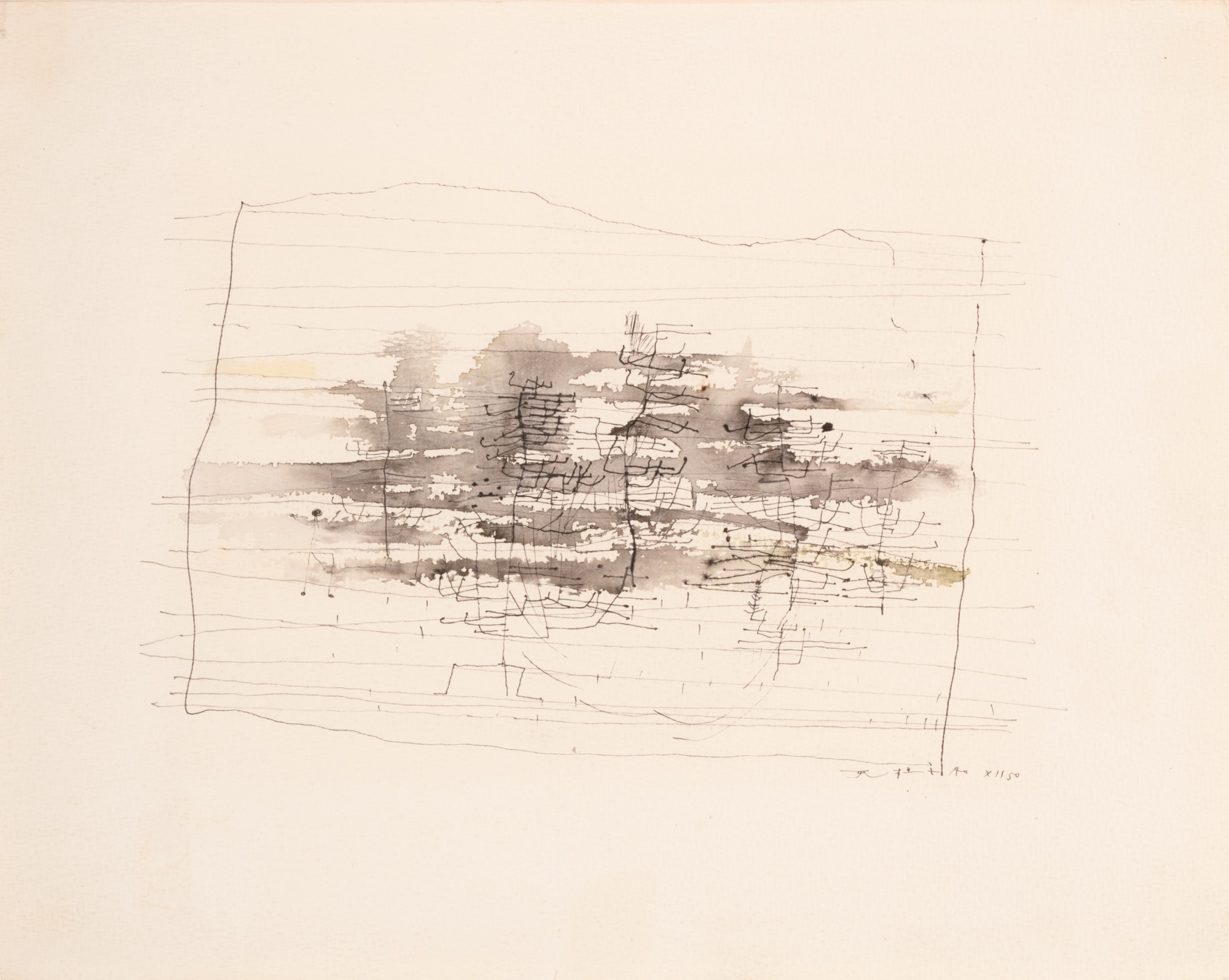
Untitled
Ink and watercolor on paper
1950