Jacques Germain
<p>Jacques Germain was studying at the Modern Academy, directed by Fernand Léger and Amédée Ozenfant, when Blaise Cendrars and Fernand Léger, in 1931, advise his parents to send him to the Bauhaus.</p>
<p>He arrived in Dessau in October 1931 and stayed there for two semesters. He was the only French to study at the Bauhaus and he followed the teaching of Kandinsky. Then, he returned to Paris by bicycle in July 1932.</p>
<p>In October of the same year, Jacques Germain returned to Frankfurt (Germany), where he took the courses of the constructivist painter Willi Baumeister.</p>
<p>With the arrival of the Nazis in power, he returned to Paris and worked in advertising design. In September 1936, Jacques Germain accomplished his military service, the war broke out a few years later, the artist was taken prisoner and remained three years in captivity.</p>
<p>When he returned to France, he devoted himself mainly to painting.</p>
<p>In 1949, he made his first solo show in Paris. He also exhibited alongside Arp, Bryen, Fautrier, Hartung, Mathieu, Picabia, etc. He was an intimate friend of Antonin Artaud.</p>
<p>Germain was represented by various galleries, including the gallery Maeght in 1951, the gallery Kriegel (61, 65, 69), the gallery Pierre Loeb (1953), the gallery Jacques Massol, the gallery Dina Vierny (1961), the gallery Arnoux , Barbier-Beltz Gallery (1985 to 1997).</p>
<p>In the early '50s, Jacques Germain was one of the prominent artists at the Gallerie Pierre Loeb together Zao-Wou-Ki, Georges Mathieu, Jean-Paul Riopelle, and Maria Helena Viera da Silva. </p>
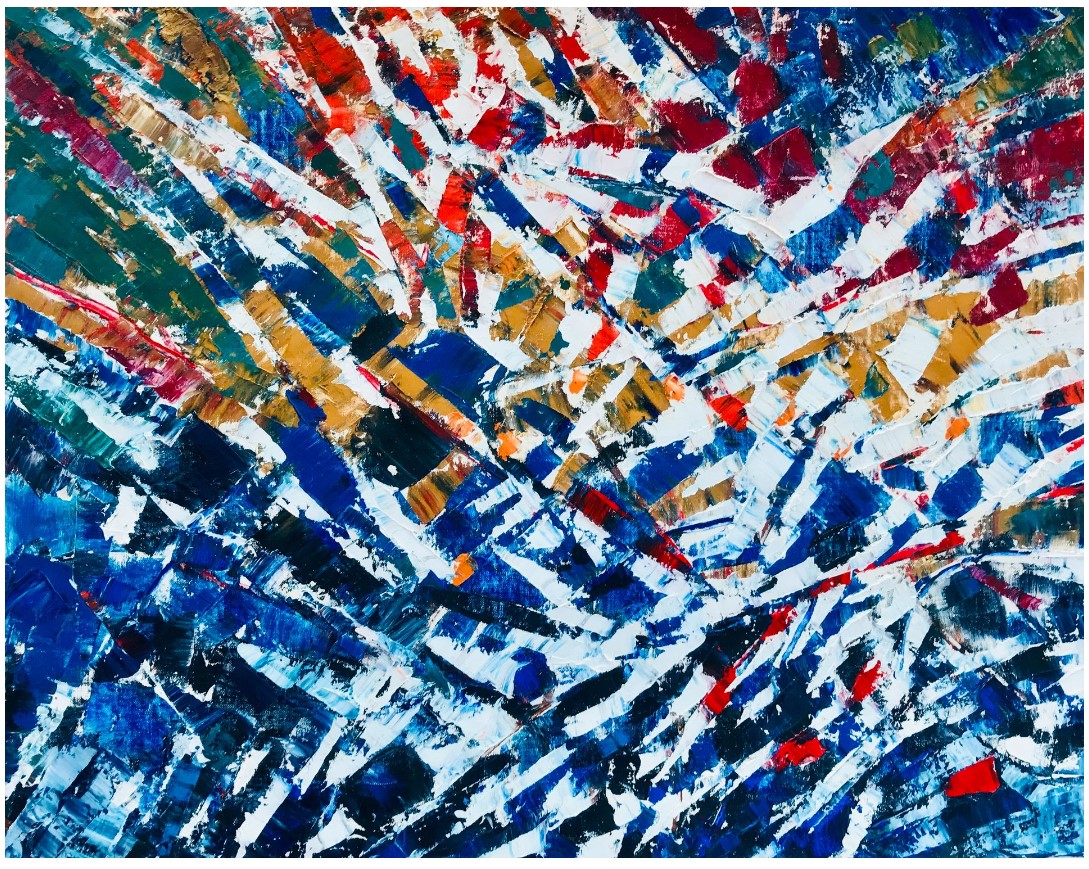
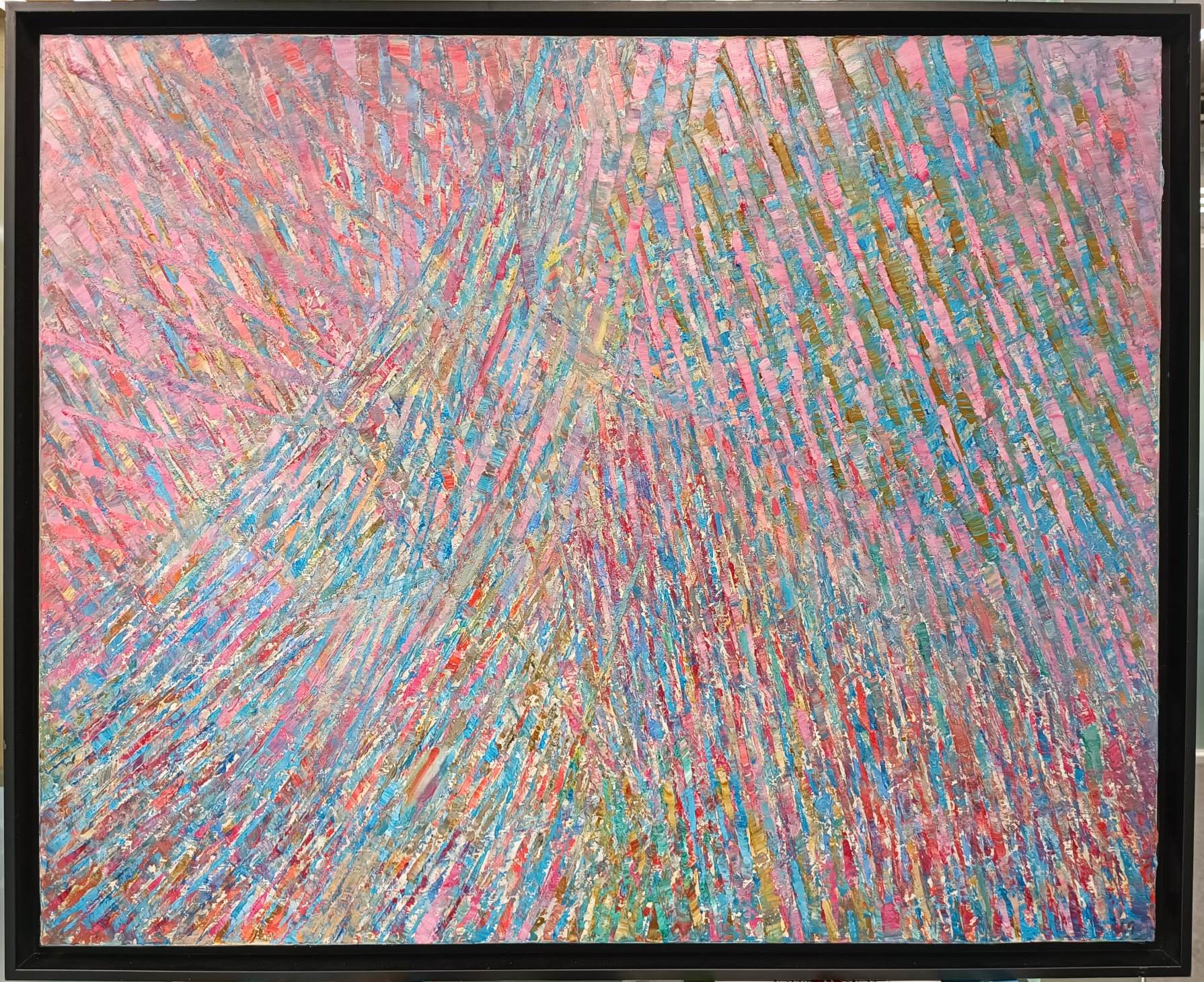
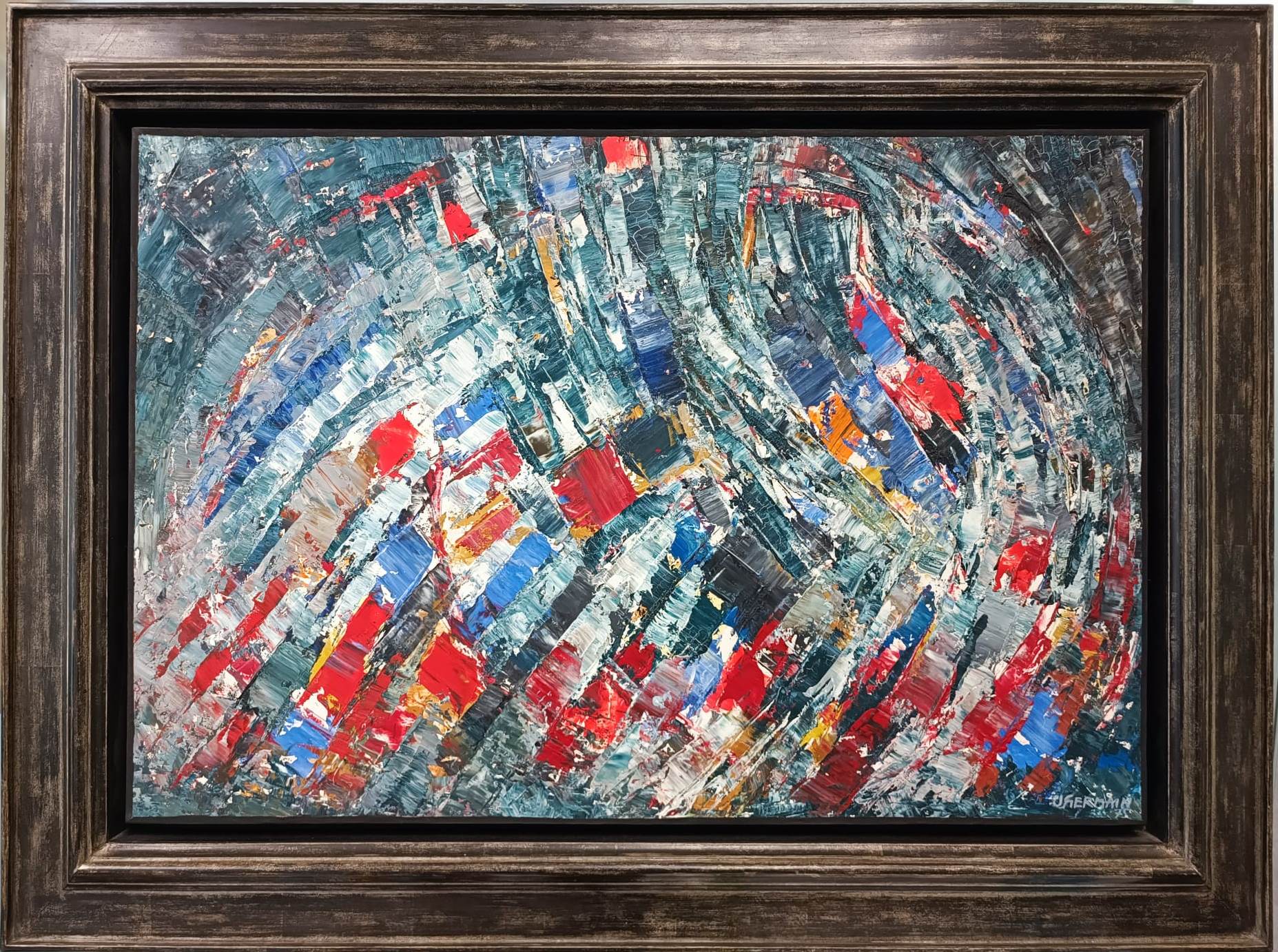
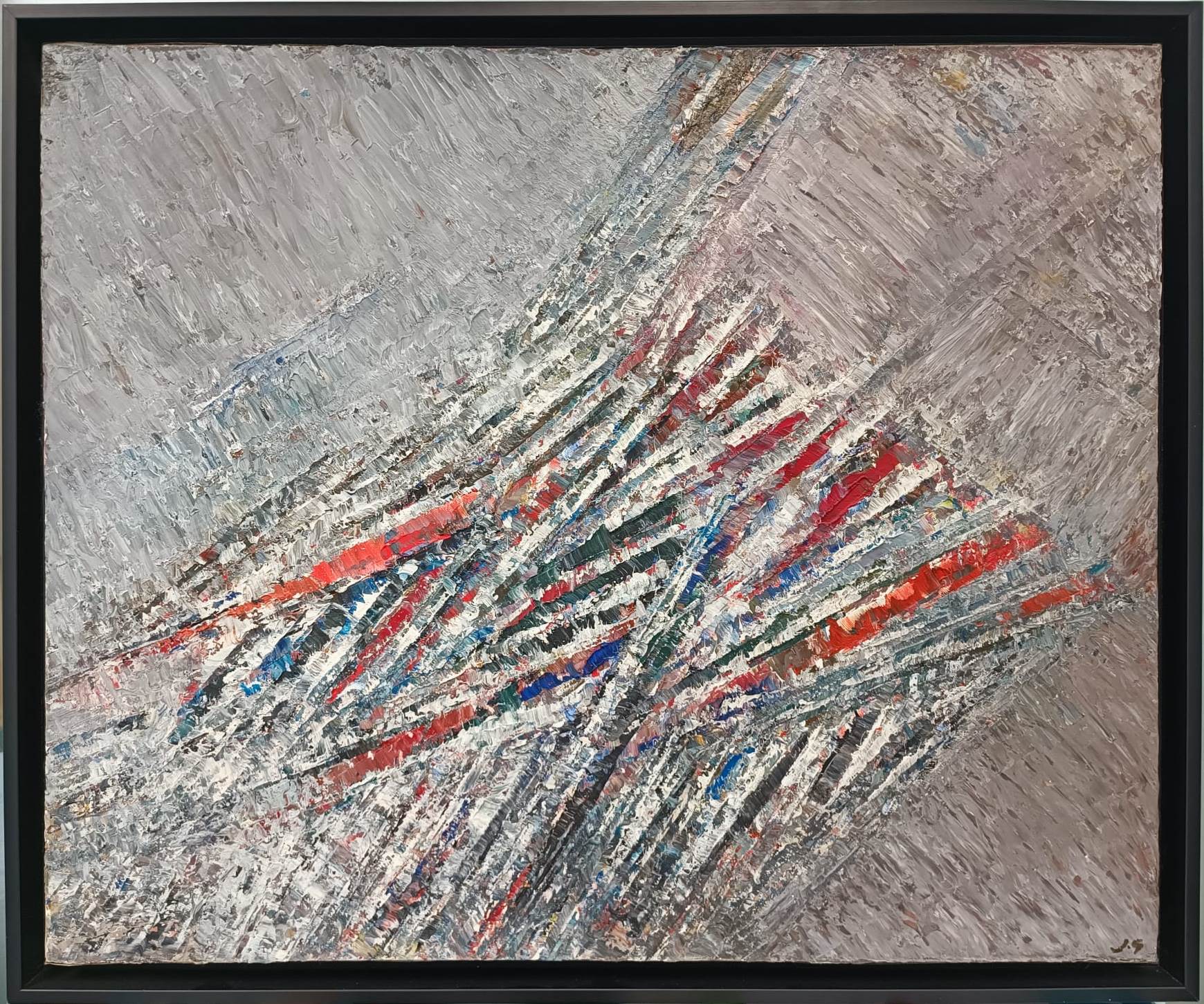
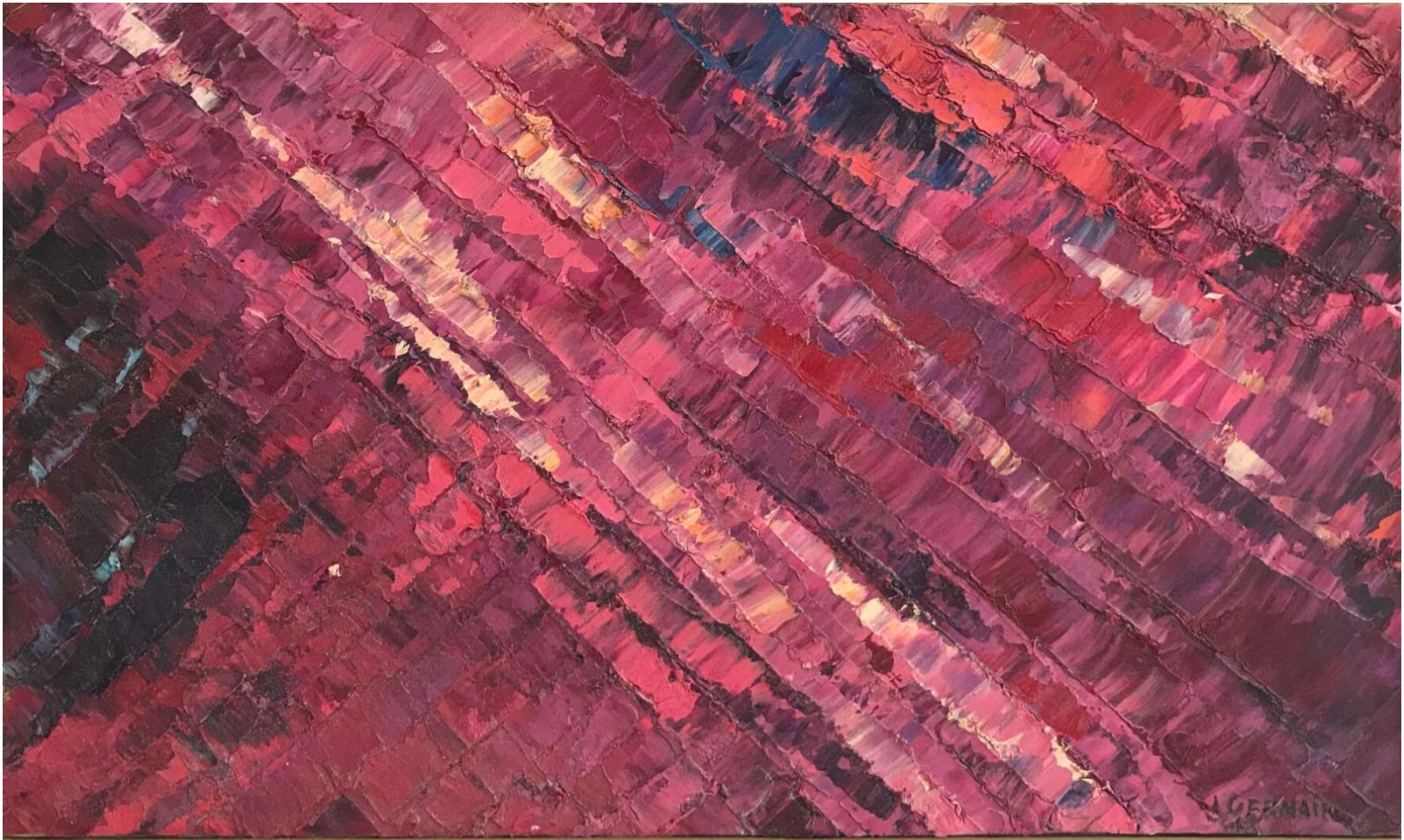
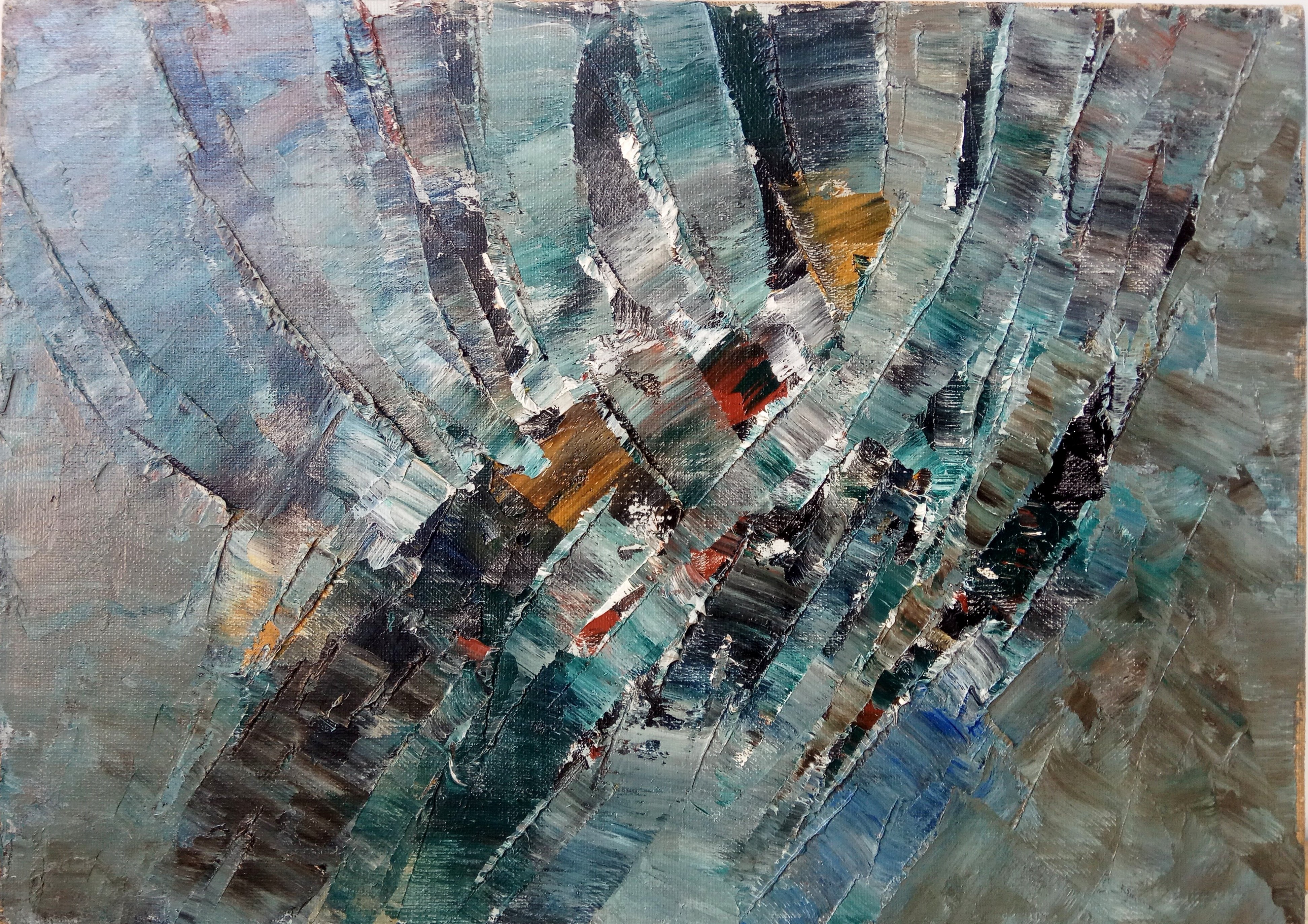
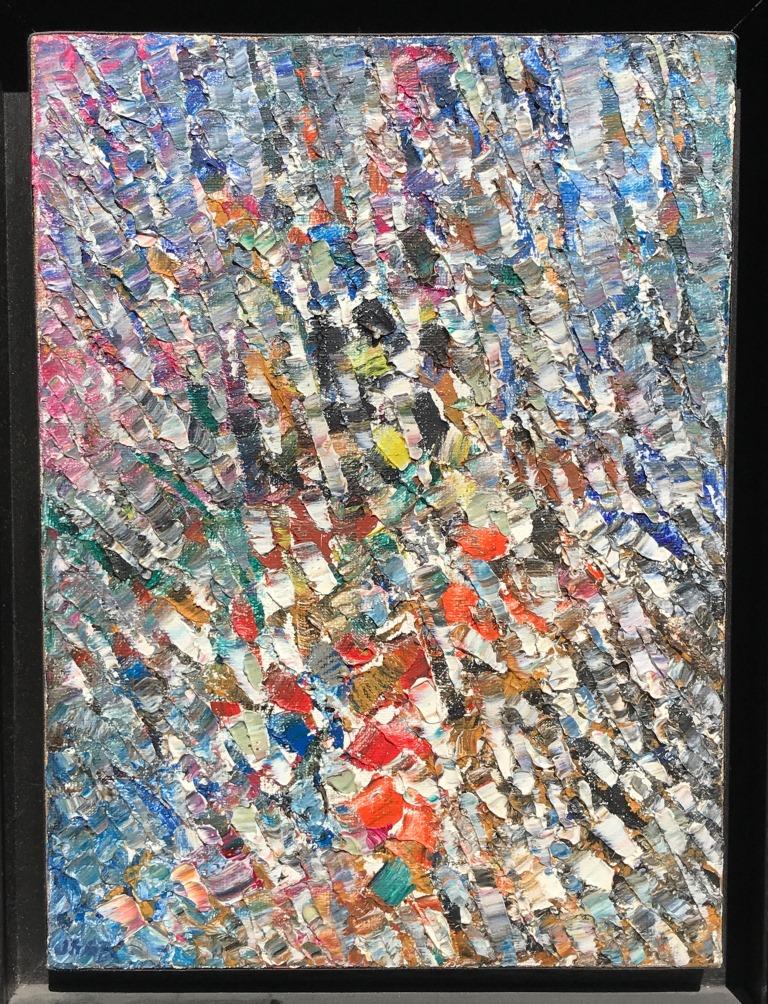
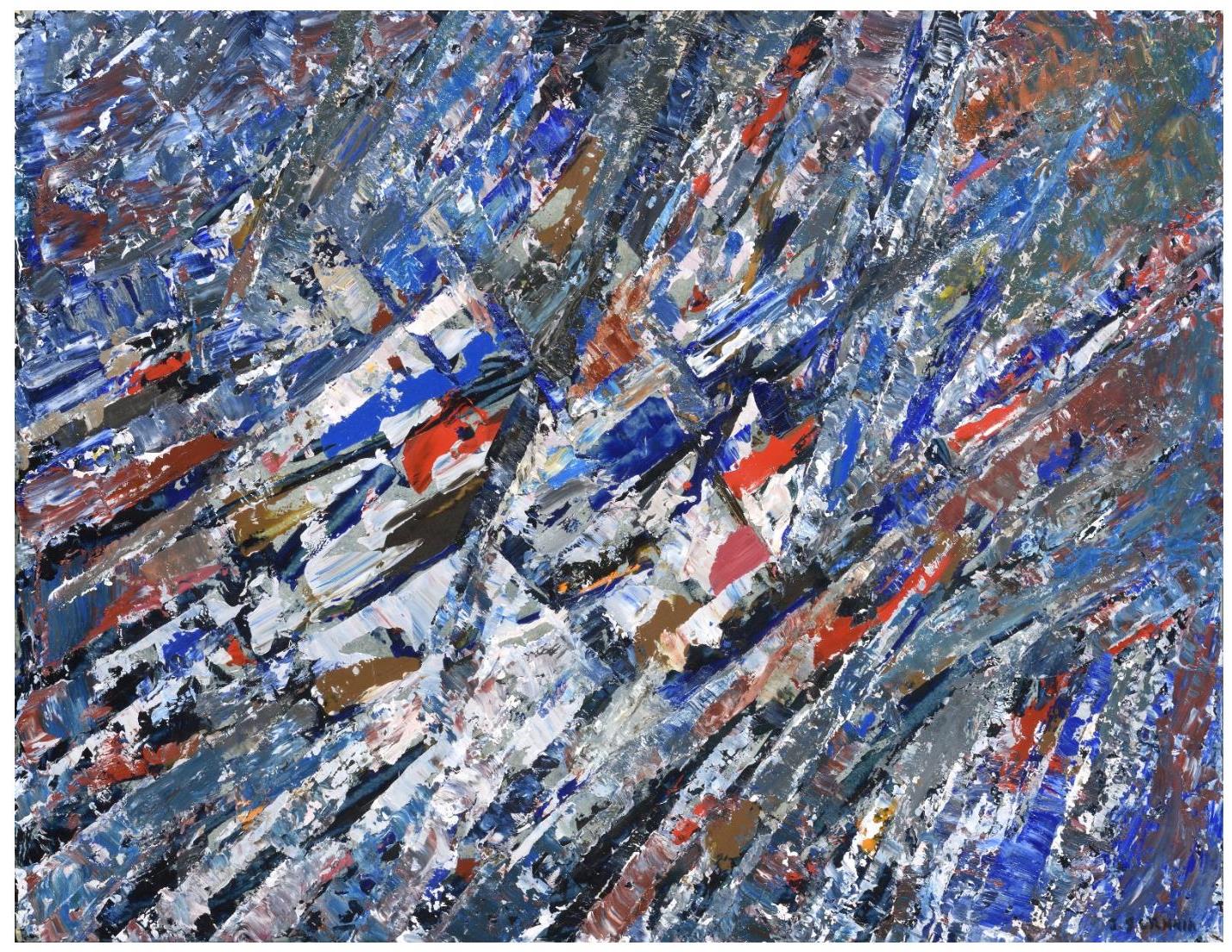
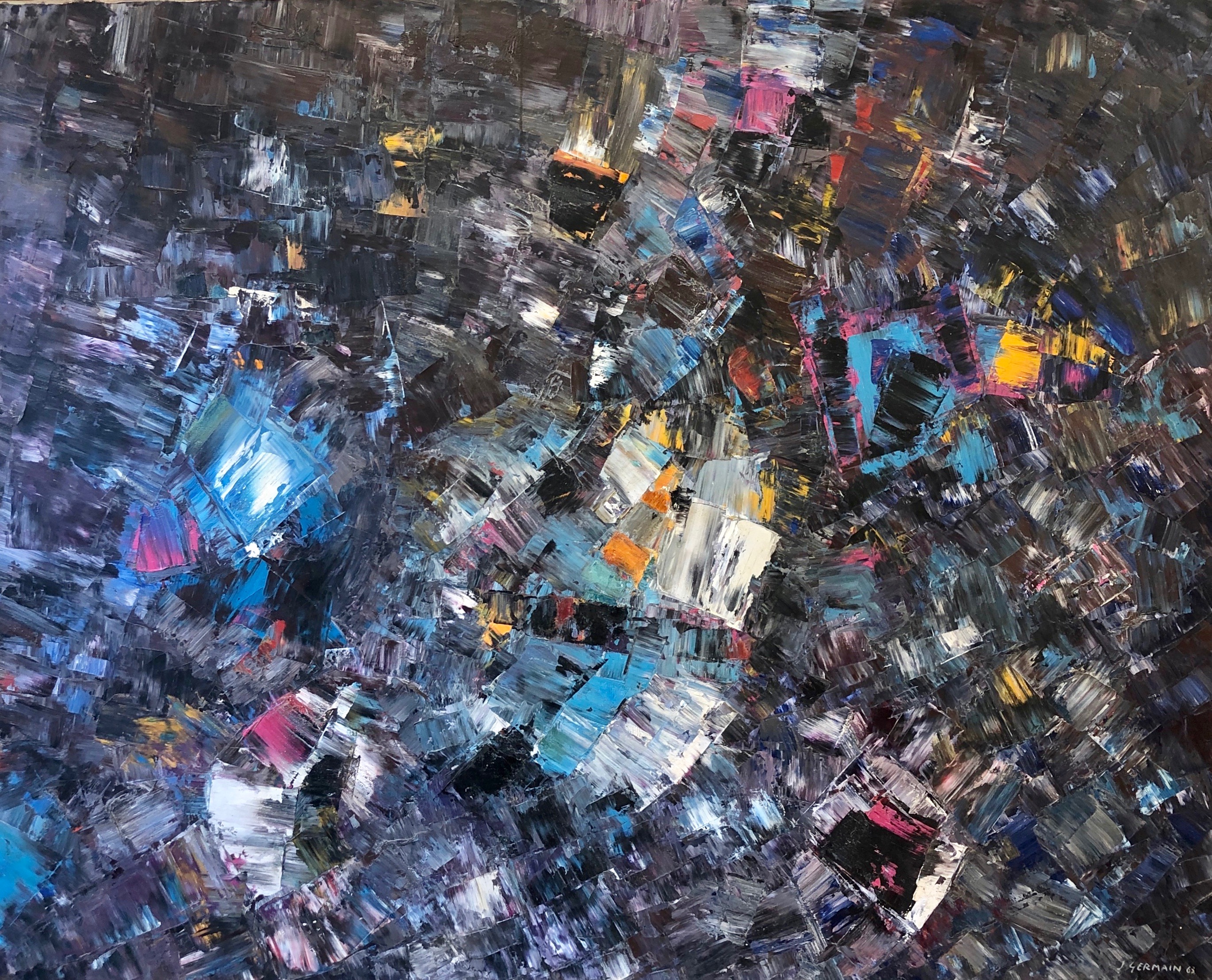
<p>In 1959, Roger Van Gindertael said about him: "Germain's painting is of tasty substance and its colorful harmonies are of exceptional symphonic complexity and tonal vibrancy. Jacques Germain represents, with particular clarity, the impressionist concept adapted to abstraction. Certainly, he is from the line of brilliant elders whose names are Ubac, Manessier, Bazaine or Le Moal. "</p>
<p>In 1997 a major retrospective was organized at the Couvent des Cordeliers in Paris.</p>
<p>He died in 2001. In 2002, according to his wishes, he bequeathed the entire contents of his workshop to the French National League Against Cancer.</p>
<p>Some of his works appear in a public collection, in the Oslo Museum, the Lille Museum of Fine Arts, the Bergen Museum, the Bremen Museum, the Lausanne Museum, the National Museum of Modern Art and the Museum of Modern Art. National Museum of Modern Art of the City of Paris.</p>